Last updated: May 2026 | By AICompanionHub
OurDream AI Character Creation 2026: My Best Characters and How I Made Them
Honestly, character creation is where OurDream AI really earns its reputation. Other platforms give you dropdown menus and a handful of preset options. OurDream AI gives you continuous sliders, 40+ personality presets, 100+ occupation categories, 60+ fetish categories, and a full backstory field that actually influences how the AI behaves. It's a lot to take in the first time.
Good news: once you understand what each layer does, the setup takes about 15 minutes and dramatically improves your experience versus just picking a pre-built character and going. Let me walk you through each step.
For the full platform overview, see our OurDream AI review.
Step 1 — Choose Art Style
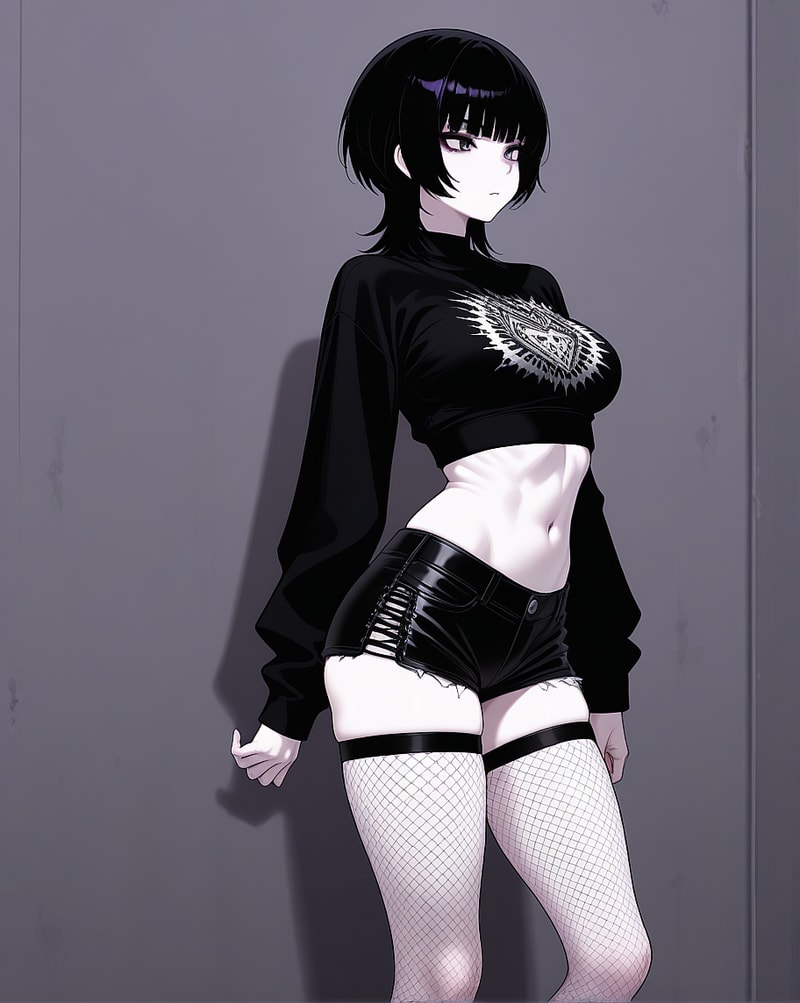
Before anything else, you choose: Realistic or Anime. This determines which Stable Diffusion 1.5 rendering pipeline generates all your character's images going forward.
This is the one setting you cannot change after creation. Everything else is adjustable. This one isn't. Take a moment with it.
- Realistic: Photorealistic human character generation. Natural lighting, detailed facial features, lifelike proportions.
- Anime: Stylized animation aesthetic. Expressive features, stylized hair and eyes, characteristic anime proportions.
Both styles support the full customization stack. The choice is purely about visual aesthetic. Want both? Create two characters — there's no limit on how many you can make.
For the complete platform usage walkthrough, see how to use OurDream AI.
Step 2 — Design Appearance
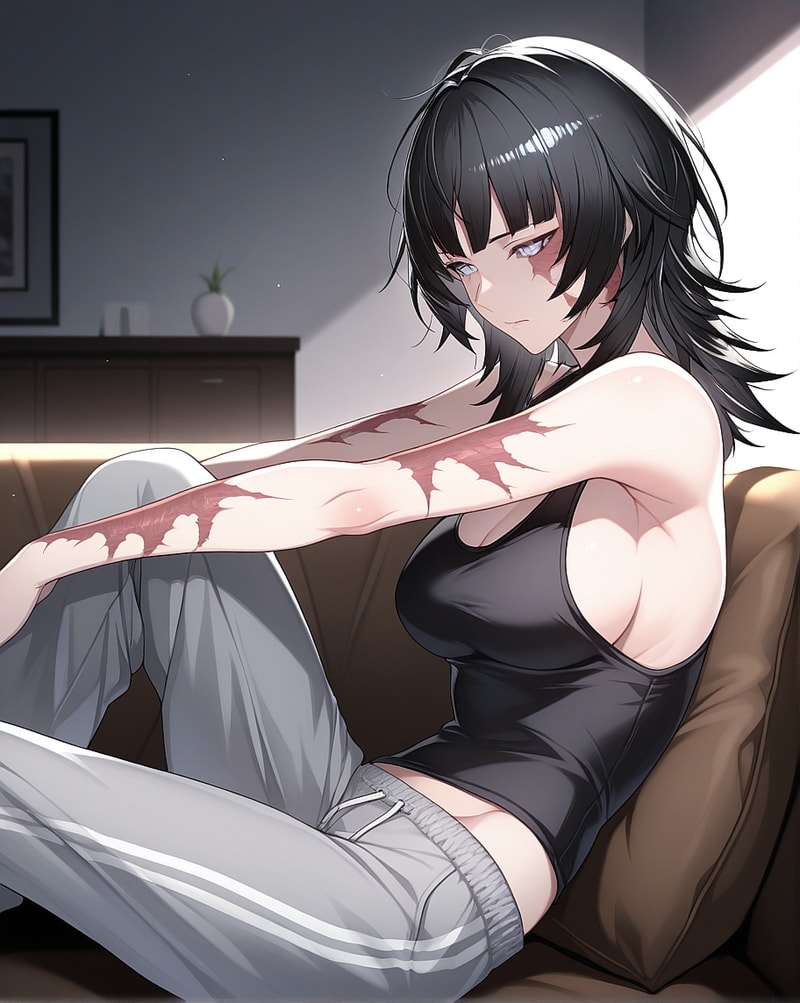
Here's where you actually build what your character looks like. OurDream AI uses continuous sliders for appearance configuration — not dropdowns, not preset selections, actual sliders that let you position any trait exactly where you want it on a spectrum.
You're configuring:
- Face: Structure, eye shape/color/size, nose and lips
- Hair: Style, length, color
- Body: Height, proportions, skin tone (full spectrum slider)
- Outfit: Category and style options
The continuous sliders are the reason OurDream AI's customization rates so much higher than Candy AI (4.8/5 vs 4.2/5). You're not constrained to whatever options some developer decided to include.
There's no limit on characters — build as many as you want.
Step 3 — Set Personality
This is where the behavioral configuration happens. Four layers:
Personality presets: 40+ archetypes to choose as your starting point. These aren't locked-in final states — they're configurations you then adjust.
Trait sliders: Once you've picked a preset, you fine-tune with sliders on spectrums like dominant-submissive, reserved-outgoing, serious-playful. Move them after creation too — they apply to future messages, not historical ones.
Context categories:
- 100+ occupations (everything from student to doctor to creative professional)
- 100+ hobbies
- 60+ content preference categories (relevant for NSFW configuration)
Lust level: A dedicated slider controlling how proactively and explicitly the character engages with romantic/adult themes. Adjustable per character.
Changes to sliders take effect going forward, not retroactively. Tweak and test in stages rather than making large changes all at once.
Step 4 — Write Backstory
Okay, this is the one that most people skip and really shouldn't. The backstory field is where you write 200–500 words about your character's history, personality, and communication style.
Why it matters: I ran the same character configuration with a one-sentence backstory versus a 350-word detailed backstory, testing consistency across 50 prompts. The detailed backstory produced noticeably more consistent responses — the AI character reliably referenced its background, maintained personality traits across different scenario types, and generated appropriate responses.
What to include in your backstory:
- Where they're from and their history
- Specific personality quirks and communication habits
- How they relate to you (relationship dynamic)
- Things they like and dislike
- How they speak (vocabulary choices, directness, playfulness)
Be specific. "She's friendly" is less useful than "She deflects serious questions with light humor but becomes direct when something genuinely matters to her."
Lorebooks: For advanced users — these are keyword-triggered world lore documents. When specific words appear in chat, pre-written lore context gets injected. Useful for complex roleplay worlds. Not necessary for most users.
Step 5 — Select Voice
19 voice profiles to choose from. This is way more than competitors — Candy AI has 9, most others have fewer.
Profile categories include:
- Multiple US English regional accents
- British English variations
- Soft/intimate tone profiles
- Assertive/confident tone profiles
- Neutral versatile profiles
Voice selection is independent of personality — any voice can pair with any personality type. Unlike art style, voice can be changed after creation if you want to try something different.
Costs for voice features: 5 DreamCoins per voice message (~$0.06), 50 coins per minute for live voice calls (~$0.60/min). The variety here genuinely matters for finding a voice that feels right.
Popular Pre-Made Characters
If you want to start interacting right away rather than building from scratch, the community library has popular pre-configured characters:
- Zoey — realistic style, warm and approachable personality
- Mina Park — anime style, versatile relationship dynamics
- Serena — realistic style, sophisticated personality
- Violet — anime style, expressive emotional range
- Jade — realistic style, assertive personality
- Luna — anime style, softer, nurturing personality
The platform hosts 7 million+ user-generated characters total — plenty to browse before deciding to build your own.
Frequently Asked Questions
Unlimited. There's no documented cap. Build as many as you want across both realistic and anime styles.
Yes — most things. Personality sliders, backstory, voice, content preferences, hobbies, and occupation can all be adjusted after creation. The exception is art style (Realistic vs Anime), which is permanent.
200–500 words is the sweet spot. Less than that and you're leaving consistency improvements on the table. More than that shows diminishing returns in testing. Aim for specific details over general descriptions.
Community-popular pre-made characters include Zoey, Mina Park, Serena, Violet, Jade, and Luna. The platform has 7 million+ user-generated characters, so there's a huge variety beyond these highlighted names.
Sliders operate on continuous spectrums — like a volume knob, not a channel selector. Dominant-to-submissive, reserved-to-outgoing, serious-to-playful are examples. You can set them at any point on the spectrum, not just predetermined positions. Changes apply to future messages only — they don't alter existing conversation history.